

 JIP Japan Vetted✓ Featured Franchise Opportunity✓ Client Opportunity✓ JIP Japan Vetted✓ Ehime Heritage✓ Tai-meshi & Karaage✓ Golden Dashi✓ Asia Expansion✓ Master Franchise Available
Bring Authentic Japanese Tai-meshi & Karaage to Asia — Kadoya Franchise & Licensing
Partner with Kadoya Co., Ltd. (est. 1962, Ehime Prefecture) to introduce authentic clay-pot sea bream rice, rich golden dashi, and signature karaage to Hong Kong, Taiwan, Thailand, and key Asian dining markets.
Send a qualified inquiry to receive more information.
योग्य पूछताछ भेजेंRequest Franchise InformationView Concept & MenuDownload FC Presentation (PDF)अवलोकन
From the coastal culinary traditions of Uwajima, Ehime Prefecture comes a distinctive Japanese dining concept built around premium rice, fresh sea bream, and authentic golden dashi. Kadoya Co., Ltd. combines regional Japanese gastronomic heritage with the universal appeal of juicy karaage fried chicken, creating a dining experience crafted to captivate families, business diners, and discerning food enthusiasts seeking genuine regional specialties beyond sushi and ramen. With over 60 years of operating heritage, proven commercial success across high-turnover transit hubs like Matsuyama Airport and prime business districts in Tokyo (Toranomon), Kadoya is introducing its international brand concept — 'Tai to Kome' (Sea Bream and Rice) — to Asia. Partner Market Global, in collaboration with Japan Industrial Promotion (JIP), invites qualified multi-unit restaurant operators, hospitality groups, and master franchise candidates in Hong Kong, Taiwan, Thailand, and across Asia to explore localized restaurant licensing, flagship franchise development, and regional expansion.
मुख्य बिंदु
- ✓ Founded September 1962 in Uwajima, Ehime (Over 60 Years of Heritage)
- ✓ Pioneer of Ehime Regional Sea Bream Cuisine (Tai-meshi)
- ✓ Approx. JPY 2.15 Billion Net Sales & ~390 Employees in Japan
- ✓ Top-Performing Operations at Matsuyama Airport & Tokyo (Toranomon)
- ✓ Proprietary 'Special Golden Dashi' Exported Direct from Japan
- ✓ Dual-Pillar Strategy: Authentic Tai-meshi + High-Appeal Karaage
- ✓ Lean Operational Model: Operable with 2–3 Local Staff (No Master Chef Needed)
- ✓ Versatile Store Footprints from 10 to 50+ Tsubo (33–165+ m²)
- ✓ Four-Phase Asian Expansion Roadmap (Pop-Up → Menu License → Flagship → Master FC)
- ✓ Introduced by Japan Industrial Promotion (JIP) via Partner Market Global
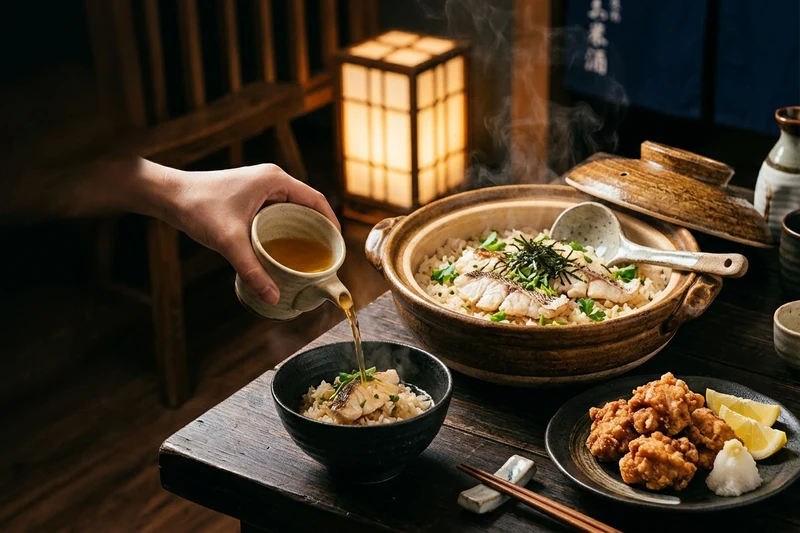
Kadoya Co., Ltd.: Over 60 Years of Japanese Regional Culinary Heritage
Founded in September 1962 in Uwajima City, Ehime Prefecture (Shikoku), Kadoya Co., Ltd. (株式会社かどや) (official website: kadoya-taimeshi.com) is a revered regional culinary institution famous across Japan for mastercrafting authentic Tai-meshi (Sea Bream Rice).
From its coastal Shikoku origins, Kadoya has grown into a major hospitality enterprise generating approximately JPY 2.15 billion in company net sales with approximately 390 employees across multiple full-service restaurants in Ehime and prestigious Tokyo locations—including Matsuyama Airport and prime commercial districts like Toranomon.
Introduced through Japan Industrial Promotion (JIP), Kadoya is now launching its international franchise brand "Tai to Kome" (鯛と米 / Sea Bream & Rice), partnering with qualified Asian restaurant groups to bring authentic Ehime sea bream rice and signature karaage to Hong Kong, Taiwan, Thailand, and neighboring markets.
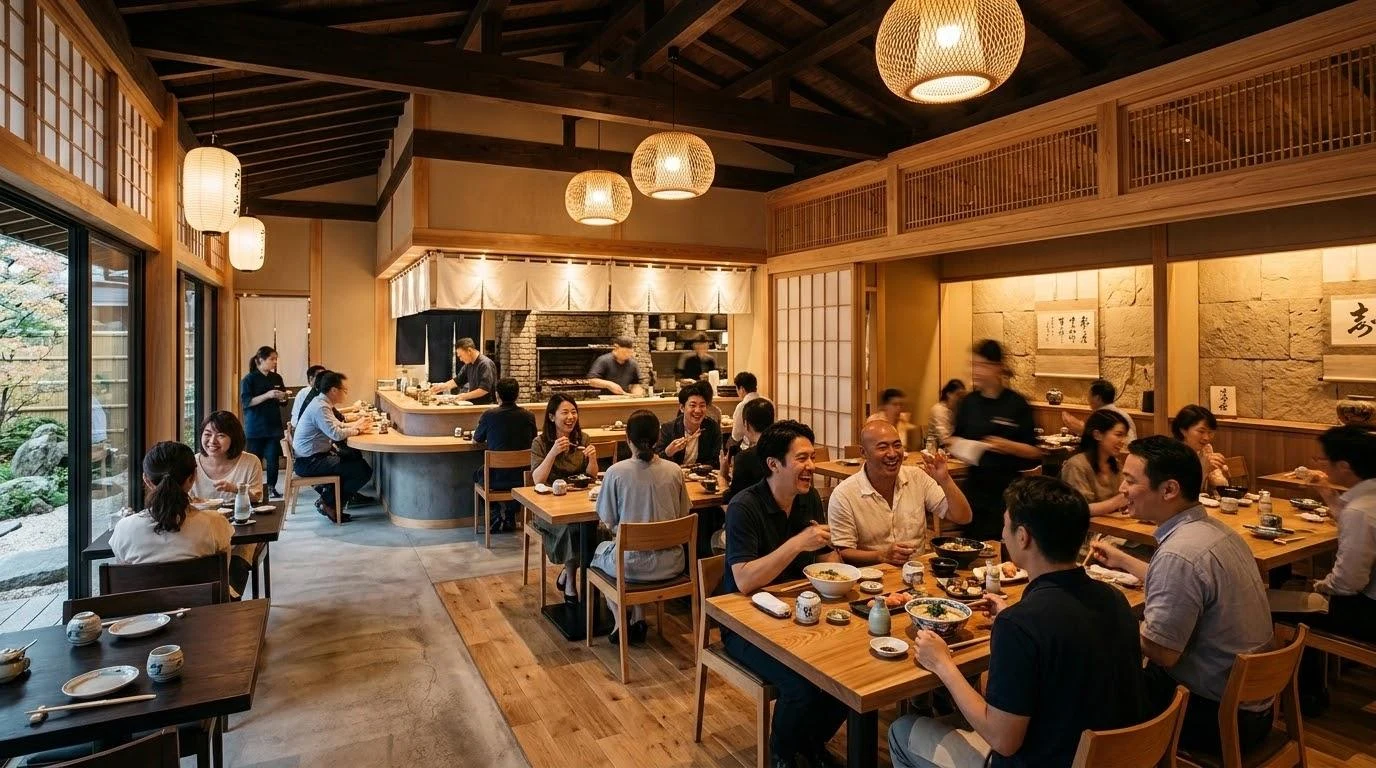
The "Tai to Kome" Formula: Clay Pot Sea Bream + The Karaage Hook
Kadoya solves the classic commercial challenge of international Japanese seafood restaurants through an ingenious dual-pillar culinary proposition:
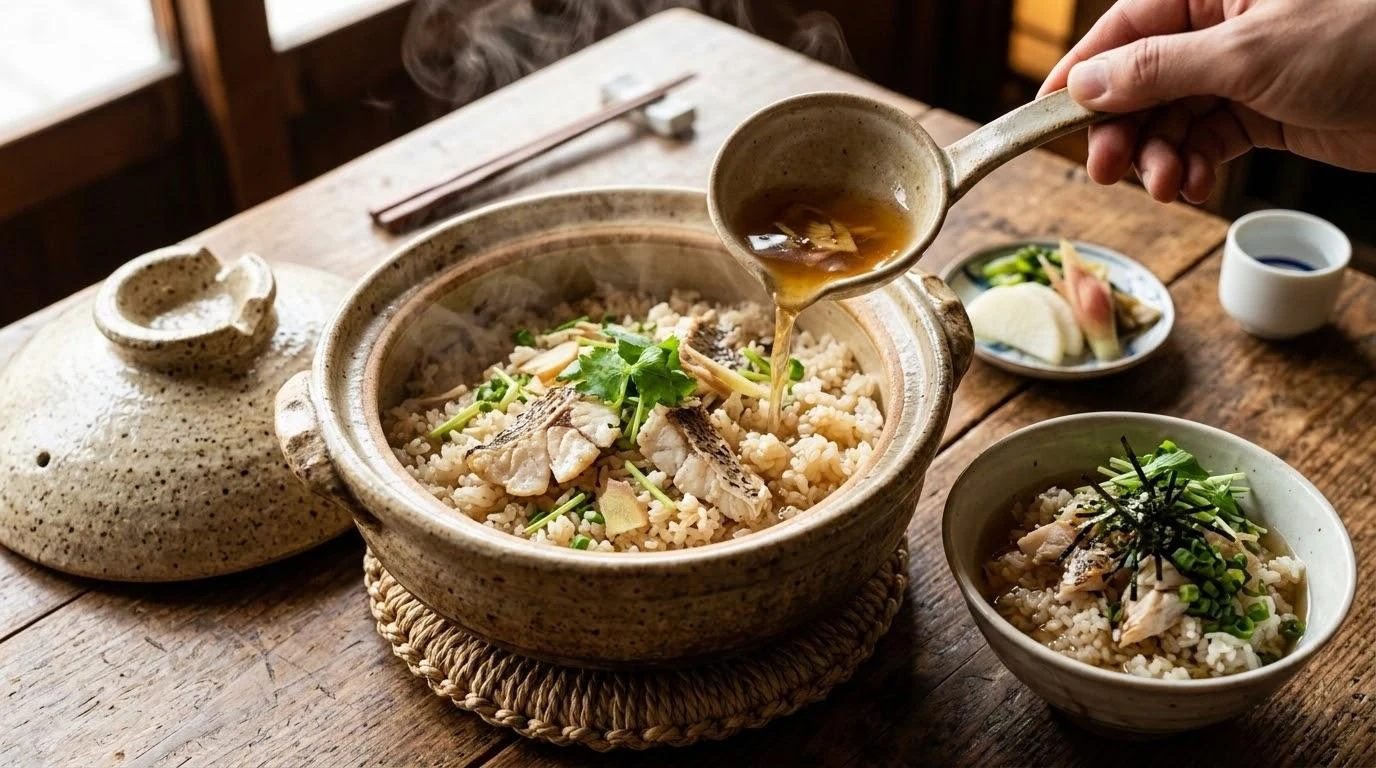
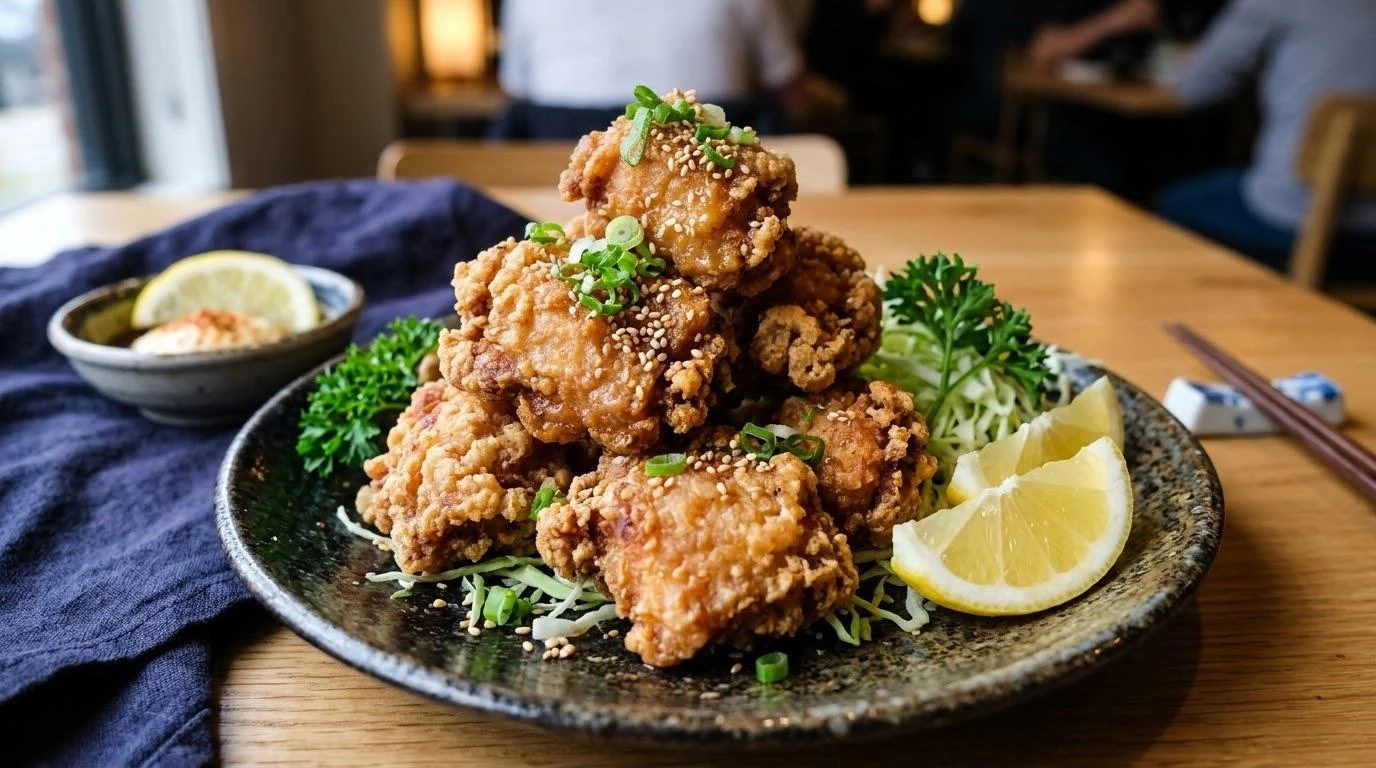
The Two Styles of Ehime Tai-meshi: Uwajima vs. Matsuyama
Ehime Prefecture is unique in Japan for boasting two distinct cultural preparations of sea bream rice. Kadoya has mastered both:
1. Uwajima-Style Tai-meshi (Raw Sashimi Style)
Originating from the seafaring fishermen of Uwajima Bay. Fresh, sashimi-grade raw sea bream slices are steeped in a savory sauce whisked with raw egg yolk, soy, mirin, and dashi, then poured over a bowl of hot steamed white rice with seaweed and sesame.
A revered culinary delicacy, celebrated across gourmet dining circles in Tokyo and Ehime.2. Matsuyama-Style Tai-meshi (Clay Pot Cooked Style) • Asian Rollout Focus
Seasoned sea bream is cooked directly inside an earthenware clay pot with specially seasoned broth and Japanese rice. The heat seals the sweet fish juices into every grain of rice, creating fragrant golden aroma and delicious crispy rice crust (*okoge*).
★ Designated primary concept for international expansion due to comforting warmth, universal appeal of cooked seafood, and food safety simplicity.Proprietary Golden Dashi & Local Sourcing Model
The core intellectual property of Kadoya is its Proprietary Golden Dashi—a meticulously balanced broth concentrate formulated over decades in Ehime to achieve rich umami without heavy sodium or artificial sharpness.
The Smart International Supply Formula:
- Exported from Japan: Proprietary concentrated golden dashi bases and signature karaage seasoning powders are dispatched directly from Japan, safeguarding trade secrets and flavor consistency.
- Sourced Locally: Fresh sea bream/fish, rice, chicken, vegetables, and cooking oil are sourced locally in the destination Asian market.
- Commercial Benefit: Slashes international freight charges and seafood import tariffs, avoids complex raw meat cold-chain hurdles, and ensures local produce freshness while keeping gross margins attractive (≥ 65–70%).
Palate Localization: Kadoya permits measured sweetness and seasoning adjustments in collaboration with franchisees to tailor flavors to Hong Kong, Taiwan, or Thai dining preferences.
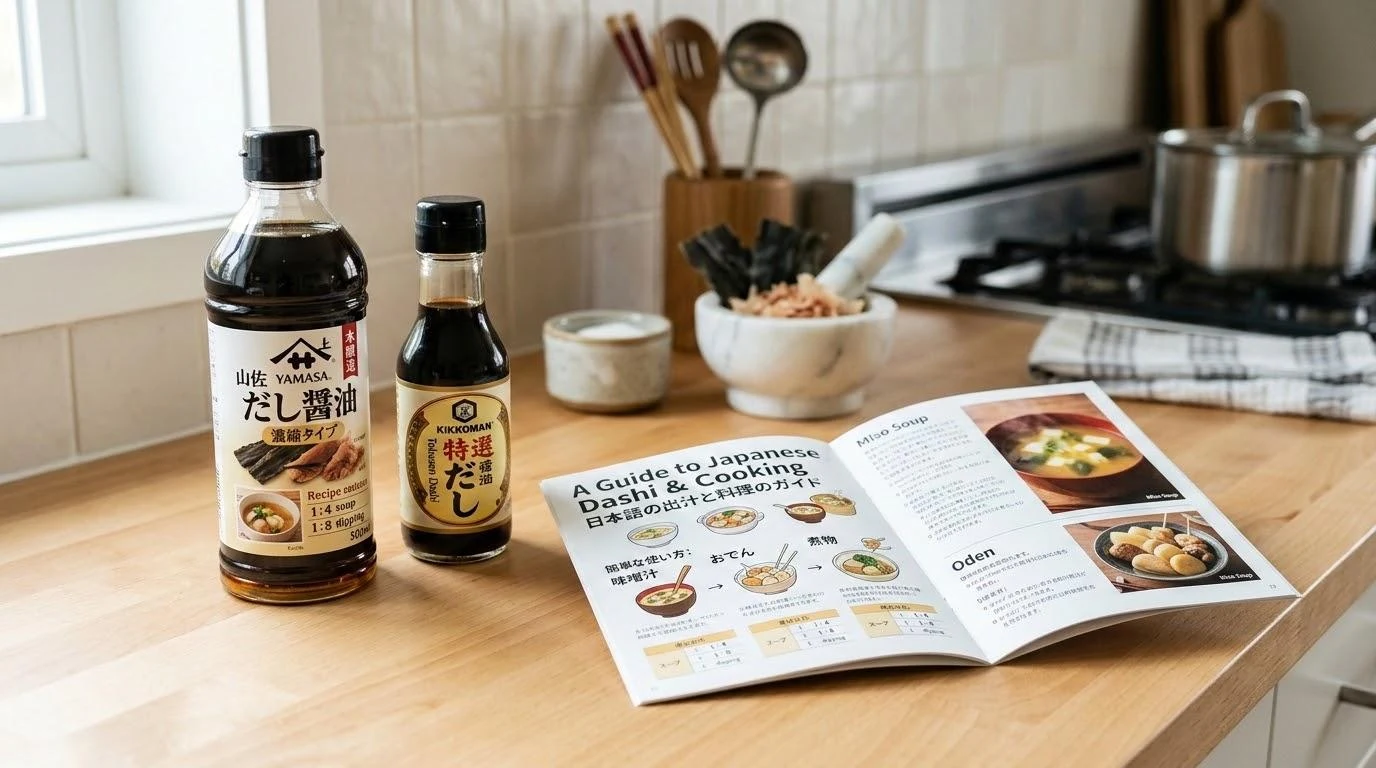
Lean Kitchen Operations: No Japanese Master Chef Required
The greatest barrier to international Japanese restaurant scalability is the dependence on expensive expatriate Japanese master chefs. Kadoya has engineered its franchise format for complete operational autonomy:
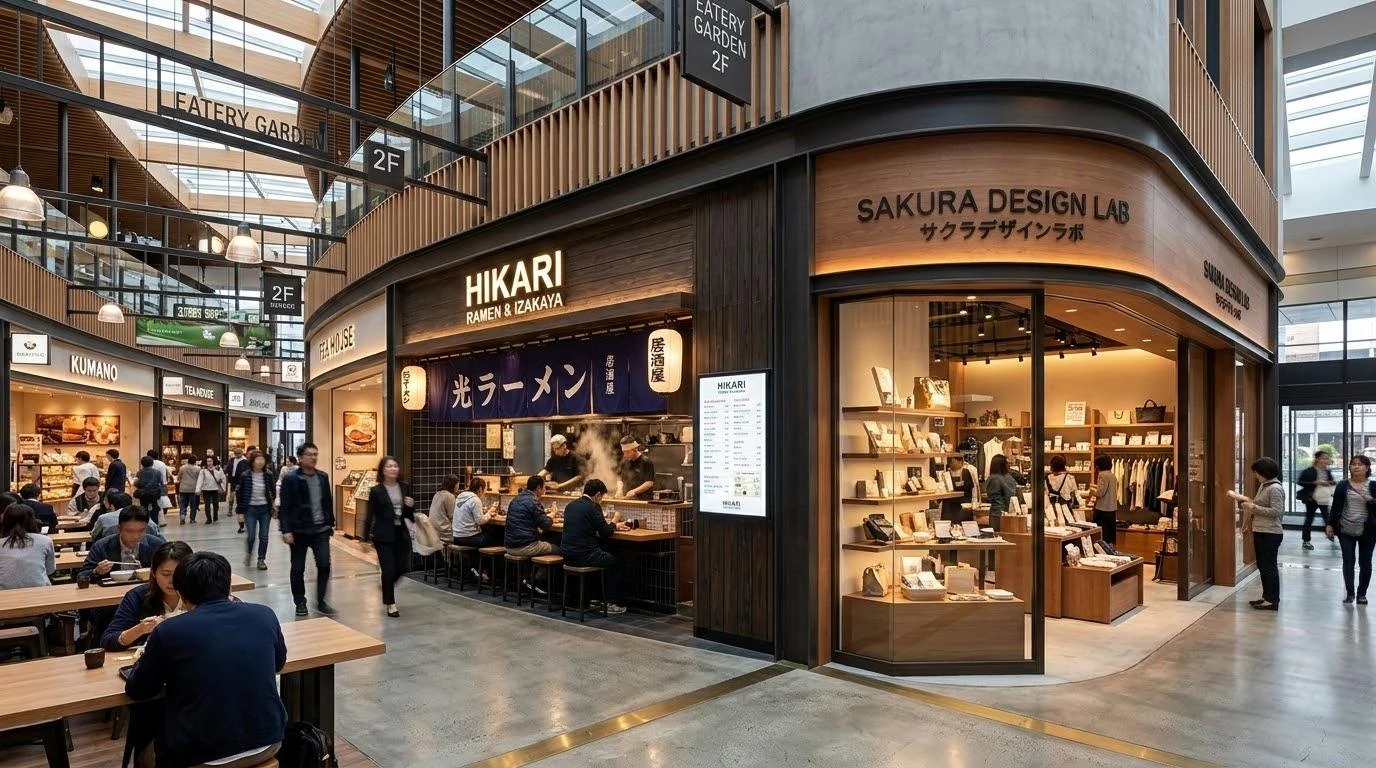
Flexible Store Formats & Real Estate Footprints
10–20 Tsubo (approx. 33–66 m²)
Fast-casual mall food halls, railway transit hubs, airport dining concourses.
- Counter order • High seat turnover • Karaage set meals • Rapid lunch volume
25–35 Tsubo (approx. 82–115 m²)
Regional retail malls, prime high-street commercial strips, office district hubs.
- 40–60 seats • Full table service • Clay-pot dining theatre • Balanced lunch/dinner
40–50+ Tsubo (approx. 132–165+ m²)
Luxury shopping centres, Japanese gourmet dining zones, hotel dining facilities.
- Private dining rooms • Sake pairing program • Uwajima raw & cooked styles
Kadoya 4-Phase International Rollout Roadmap
Kadoya's presentation defines a low-risk, stage-gate international growth pathway:
Pop-Up / Pilot Entry
Department store food fairs, pop-up events, or culinary proof-of-concept tests to gauge local consumer taste acceptance.
Menu Licensing
Supplying proprietary golden dashi to established restaurant groups to test Tai-meshi dishes on existing restaurant menus with zero capital expenditure.
Flagship Franchise
Opening the first dedicated "Tai to Kome" standalone restaurant in a prime retail location (Hong Kong, Taipei, or Bangkok).
Master Franchise
Territorial multi-unit licensing and sub-franchise rights granted to proven regional F&B conglomerates across national territories.
Illustrative Restaurant Unit Economics
The supplier presentation outlines the following indicative performance model for a standard Asian shopping mall restaurant:
⚠️ Mandatory Financial Compliance Disclaimer: Figures presented above are illustrative planning models supplied by Kadoya Co., Ltd. for conceptual discussion. They do not constitute a financial performance representation, profit guarantee, or binding contractual statement. Actual revenues, operating margins, buildout capital expenditures, and payback horizons will vary significantly depending upon host market real estate rental costs, local labor rates, import duties, exchange rates, and business execution. Complete franchise disclosure information and terms are made available exclusively to qualified candidates under Non-Disclosure Agreement (NDA) during commercial due diligence.
Prioritized Asian Territories & Ideal Franchisee Criteria
Priority Expansion Markets:
- 🎯 Hong Kong: High-density Japanese dining appreciation, shopping mall dining hubs.
- 🎯 Taiwan: Deep affinity for authentic Japanese cuisine, established clay-pot and rice dining culture.
- 🎯 Thailand (Bangkok): Major Japanese food dining capital, booming mall restaurant scene.
- 🌏 Secondary Evaluation: Singapore, Indonesia, Malaysia, Philippines, and Vietnam.
Ideal Partner Profile:
- ✓ Established multi-unit restaurant operators with proven Asian operating track record.
- ✓ Retail conglomerates and department store hospitality divisions.
- ✓ Airport and railway transit concession operators.
- ✓ Financial capacity to fund store fit-out and multi-unit territory development.
Frequently Asked Questions About Kadoya (Tai to Kome)
Essential information regarding the concept, dashi supply, menu adaptation, and franchise partnership:
1. What is Tai-meshi, and how do Uwajima and Matsuyama styles differ?▼
2. Why is the 'Karaage Hook Strategy' central to the international concept?▼
3. How is the signature golden dashi supplied to overseas restaurants?▼
4. Can the menu be localized for Asian consumer preferences?▼
5. What franchise and licensing formats are available?▼
6. Which geographic markets are prioritized for international rollout?▼
7. What are the store format requirements and expected capital investment?▼
8. Does the concept require hiring expensive Japanese master chefs?▼
9. How can qualified restaurant operators and franchise groups apply?▼
कंपनी पृष्ठभूमि
Company: Kadoya Co., Ltd. (株式会社かどや) Headquarters: Uwajima City, Ehime Prefecture, Japan Official Website: https://www.kadoya-taimeshi.com/ Founded: September 1962 (over 60 years of restaurant operating history) Domestic Scale: Approximately JPY 2.15 billion in net sales, ~390 employees across multi-format regional dining locations. Key Locations: Matsuyama Airport (high-volume passenger hub), Central Tokyo (Toranomon and upscale commercial centers), and Ehime flagship kappo dining establishments. Brand Concept for Asia: 'Tai to Kome' (Sea Bream and Rice), combining Ehime sea bream clay pot rice, secret golden dashi, and accessible signature karaage. Commercial Representation: Facilitated through Japan Industrial Promotion (JIP) and represented internationally by Partner Market Global.
उत्पाद / सेवा / फ्रेंचाइज़ी विवरण
Core Concept & Dual-Pillar Culinary Model: 1. Experiential 'Tai to Kome' (Sea Bream & Rice): - Authentic Ehime regional culinary heritage centered on sea bream (tai) and perfectly cooked Japanese rice. - Two Recognized Preparations: Uwajima-style Tai-meshi (sashimi-grade raw sea bream seasoned with secret dashi and egg sauce over warm rice) and Matsuyama-style Tai-meshi (seasoned sea bream cooked together with rice in an earthenware pot). - The International Signature: Sizzling earthenware clay pot rice with tender, savory cooked sea bream, finished at the table with an aromatic pour of piping-hot golden dashi broth. 2. The 'Karaage Hook Strategy': - Overcomes the perceived simplicity or subtle flavor of plain white fish by pairing clay pot rice with signature Japanese karaage (crispy, juicy fried chicken). - Wide demographic magnet: captures children, younger diners, and families seeking familiar, craveable comfort food while introducing them to authentic clay pot rice. 3. High-Efficiency Flavor Supply & Local Sourcing: - Essential flavor foundation — Kadoya's proprietary concentrated 'Special Golden Dashi' — is produced in Japan and exported directly to partner outlets. - Bulky core ingredients (sea bream/fish, rice, vegetables, chicken) are sourced locally to optimize food costs and supply chain resilience. - Flavor localization: flexible adjustments to sweet and savory sauce profiles to suit local dining palates in Hong Kong, Taiwan, and Southeast Asia. 4. Lean Kitchen Operations (No Master Chef Required): - Standardized operating manuals and pre-concentrated dashi allow high culinary consistency without recruiting expensive Japanese master sushi chefs. - Efficient kitchen workflow operable with 2–3 trained local kitchen staff per station.
बाज़ार अवसर
Strategic Asian Restaurant Market Opportunity: - Overcoming the 'Raw Fish Barrier': While sushi relies entirely on cold raw seafood, Southeast Asian and greater Asian dining cultures have deep affinities for warm meals, steamed fish, aromatic broths, and flavorful dashi-cooked rice (akin to claypot rice, Hainanese chicken rice, and congee). - Affordable Luxury Dining Positioning: Target check spend of JPY 3,500–5,000 per guest (~USD 23–33), sitting comfortably between casual mass-market sushi conveyor belts (JPY 1,000–2,000) and expensive traditional kappo/omakase dining. - Priority Markets: Hong Kong, Taiwan, and Thailand have deep consumer familiarity with Japanese regional tourism, premium dining, and viral food experiences, providing ideal launchpads for pop-ups and flagship openings. - High Turnover & Strong Unit Economics: Proven model in Japan at Matsuyama Airport and Tokyo business centers demonstrates steady all-day traffic from lunch, dinner, business entertaining, and weekend families.
आदर्श साथी प्रोफ़ाइल
Kadoya and JIP are seeking qualified international restaurant partners: - Multi-Unit Restaurant Operators: Proven operators with existing F&B brand portfolios, central kitchens, and local real estate access. - Japanese Restaurant Groups: Established operators of ramen, sushi, yakiniku, or izakaya looking to diversify into regional Washoku. - Hospitality & Hotel F&B Groups: Operators seeking distinctive, high-margin Japanese dining concepts for hotel properties. - Airport & Transit Concessionaires: Operators capable of deploying high-turnover airport concepts mirroring Matsuyama Airport success. - Shopping Mall Developers & Prime Retailers: Commercial landlords looking to anchor Japanese specialty dining in prime Asian retail hubs. - Master Franchise Groups: Experienced investors capable of acquiring country or regional rights for multi-store rollout.
वाणिज्यिक मॉडल
Flexible International Partnership Framework: - Single-Market Restaurant Licensing - Flagship Franchise Restaurant (Pilot 1st store) - Multi-Unit Franchise Development Agreement - Master Franchise Agreement (territory/country rights) - Menu Licensing & Dashi Supply (agile entry for existing Japanese restaurants) - B2B Concentrated Golden Dashi Distribution to retail and foodservice.
क्षेत्र उपलब्धता
Priority focus on Hong Kong, Taiwan, and Thailand. Secondary evaluation for Singapore, Indonesia, Malaysia, Philippines, and Vietnam. Territory exclusivity and master franchise agreements available subject to operator qualification and development schedule.
उपलब्ध दस्तावेज़
हमारे साथ साझेदारी क्यों?
- मजबूत उपभोक्ता माँग वाले सिद्ध उत्पाद
- प्रतिस्पर्धी मूल्य निर्धारण और मार्जिन
- व्यापक साथी सहायता
- लचीले साझेदारी मॉडल
- दीर्घकालिक विकास उन्मुख
जोखिम और नोट्स
Illustrative commercial figures (JPY 7M–10M monthly sales, ~15% margin, 2–3 year payback) are supplier presentation estimates and do not represent audited performance guarantees or contractual promises. Operating results vary by location, consumer demographics, rental costs, and local execution. International seafood import regulations, local health inspection standards, staff training, and commercial leases must be independently verified by the prospective franchisee. Kadoya's international concept 'Tai to Kome' is a planned expansion model; trademark registration, menu localization, and supply chain logistics are finalized during commercial negotiations. Not certified Halal.